2. Finding the Right Help for Your Baby

Osteopathy for Babies

A gentle, hands-on approach that focuses on the muscles, joints and movement of the body

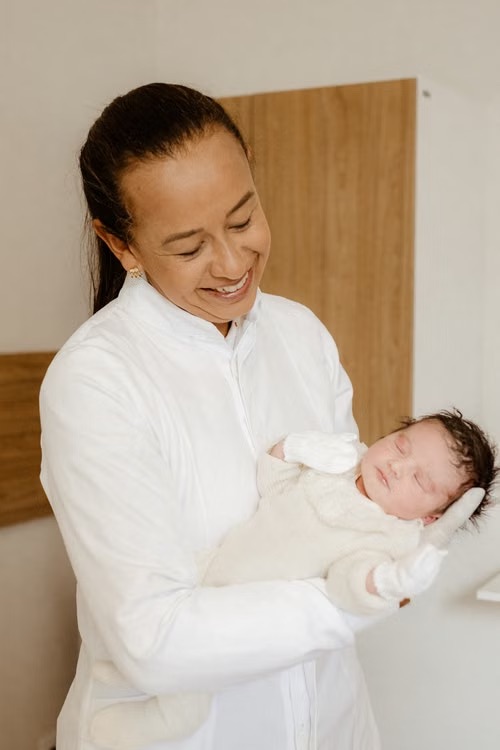
A smiling woman in a white top holding a sleeping newborn

This may be worth exploring if your baby: Appears particularly tense or uncomfortable, frequently arches their back, favours turning their head to one side, seems unsettled during feeding, struggles to relax or shows signs of restricted movement around their neck or body.

These symptoms can have several underlying causes, so it's important to discuss them with your GP or health visitor before assuming they're related to physical tension.

What is osteopathy?

Osteopathy is a hands-on therapy that focuses on the relationship between the body's muscles, joints and movement. Osteopaths assess areas of stiffness, restricted movement or discomfort and use a range of techniques aimed at improving mobility and easing musculoskeletal tension. Some osteopaths specialise in treating babies and young children, using very gentle techniques adapted to their developing bodies. These may include light touch, gentle stretching and careful assessment of how a baby moves and holds their body.

You may also come across cranial osteopathy, a particularly gentle approach that uses subtle touch, often around the head, neck and spine. Although it shares some similarities with craniosacral therapy, the two are not identical.

Some practitioners believe that tension associated with pregnancy, birth or positioning may contribute to discomfort, feeding difficulties or unsettled behaviour in babies.

How might it help?

Some parents explore osteopathy when their baby experiences reflux alongside signs of physical tension, stiffness or difficulty settling. An osteopath experienced in working with infants may assess your baby's posture, neck movement and general mobility, looking for areas of restriction or discomfort that could warrant further attention. Some parents report improvements in their baby's comfort, movement, feeding or ability to settle following osteopathic appointments.

However, there is currently insufficient reliable scientific evidence that osteopathic treatment improves infant reflux, and it has not been established that releasing physical tension reduces reflux symptoms. Osteopathy should therefore be viewed as a complementary approach rather than a proven treatment for reflux.

Important to know: If you're considering osteopathy for your baby, speak to your GP or health visitor first. Choose an osteopath registered with the General Osteopathic Council who has specific training and experience working with infants. Forceful manipulation of a baby's neck or spine should be avoided, and treatment should never continue if your baby is distressed.

Quick answers

How long can it take for osteopathy to work?

There is no established timeframe for osteopathy to improve infant reflux because its effectiveness as a reflux treatment has not been demonstrated in good-quality research.

Some parents report noticing changes in their baby's comfort or movement after one or two appointments, while others notice little or no difference.

An initial appointment may involve discussing your baby's birth history, feeding patterns, reflux symptoms and any concerns about their movement or comfort, followed by a physical assessment.

How many sessions are required?

The number of sessions suggested will depend on the practitioner's findings. A responsible osteopath should explain their approach, discuss realistic expectations and avoid promising that treatment will resolve your baby's reflux.

Is cranial osteopathy the same as craniosacral therapy?

Cranial osteopathy and craniosacral therapy can look very similar during a session. Both involve extremely gentle, hands-on techniques, often around the head, neck and spine, and both aim to address perceived areas of tension or restriction.

The main difference is in the practitioner's training and overall approach.

Cranial osteopathy is a specialised approach within osteopathy. It is practised by qualified osteopaths who assess the body's structure, movement, muscles and joints as part of their wider osteopathic training. Cranial techniques form one part of this approach.

Craniosacral therapy, on the other hand, is a standalone complementary therapy. It focuses specifically on the craniosacral system, the membranes and fluid surrounding the brain and spinal cord. Practitioners use very light touch to assess what they believe are subtle rhythms and restrictions within this system, with the aim of encouraging relaxation and releasing perceived tension.

So what does this mean for your baby?

In practice, a session with either practitioner may look very similar, with gentle hand placements and little visible movement. The biggest differences are the practitioner's qualifications, how they assess your baby and the theories guiding their treatment.

Neither therapy has been reliably shown to treat infant reflux, and the proposed craniosacral mechanisms remain scientifically unproven.

Preparing for Appointments and Referrals What to bring, what to note down, and what to ask. When to Contact Your GP, NHS 111 or A&E Knowing who to call, and how quickly. Infant Gaviscon, Omeprazole and Other Treatments Medicines a healthcare professional may discuss with you. Craniosacral Therapy for Babies A gentle, hands-on therapy that focuses on releasing tension and encouraging relaxation throughout your baby's body. Chiropractic Care for Babies A hands-on approach that focuses on the spine, joints and muscles Could Feeding Be Contributing to Your Baby's Reflux? Could feeding difficulties be contributing to your baby’s reflux? Discover what to look out for, what might help and when to seek specialist support. You Know Your Baby Best: Finding Your Voice at the GP When you're worried about your baby, you deserve to feel heard, supported and confident about what happens next.